Crisis assistance: help when energy is an emergency
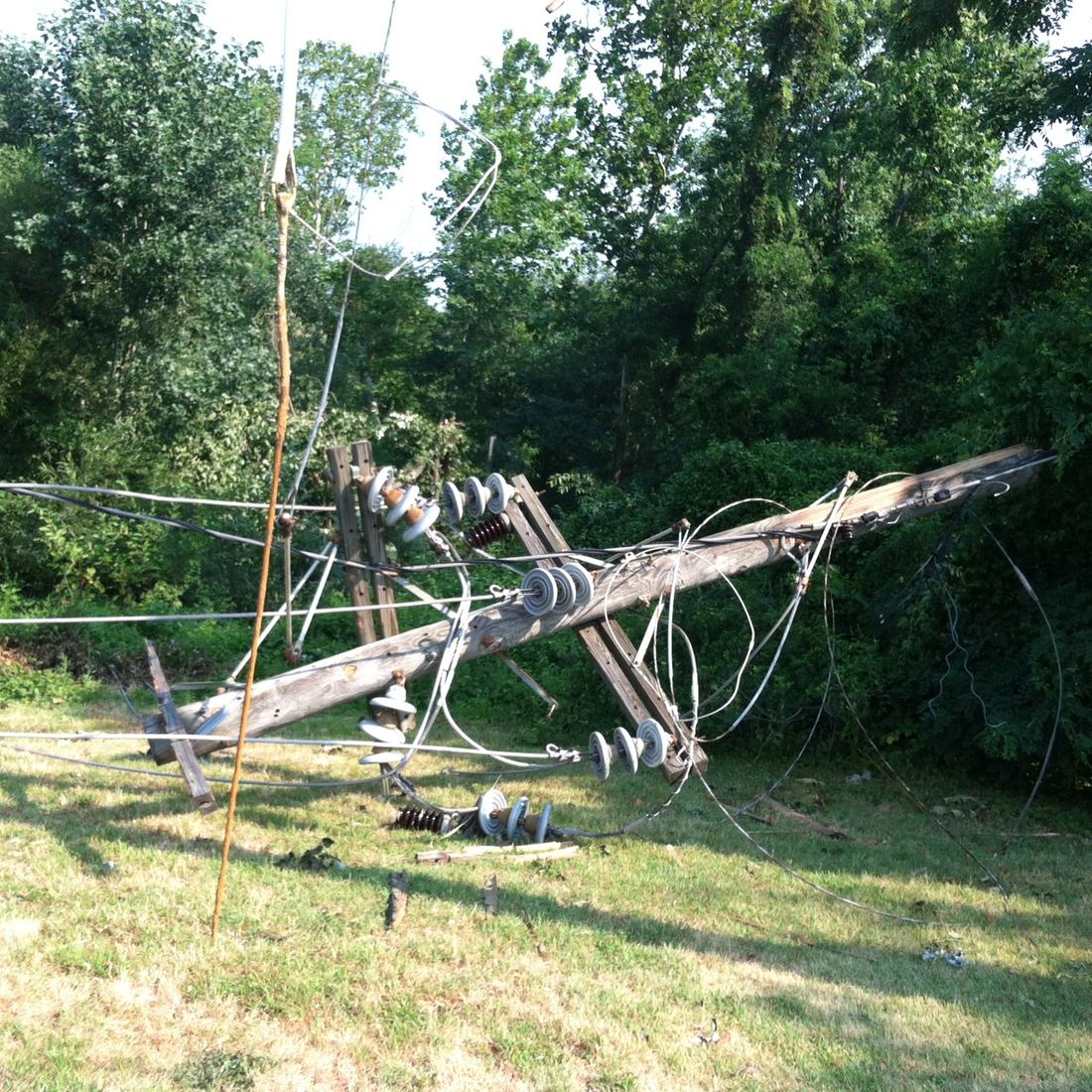
Crisis assistance is LIHEAP's emergency component. While regular assistance is planned seasonal help, crisis assistance exists for the moment when home energy becomes a safety problem: the power is about to be cut off, it has already been cut off, the fuel tank is nearly empty in cold weather, or the heating or cooling system has broken down during extreme weather. Every state must intervene in energy crises, even though the exact design of the crisis component varies by state.
What counts as a crisis
States define crisis in their own plans, but the common definitions cover: a shutoff or disconnection notice from the utility; service already disconnected; a deliverable-fuel tank at or below a low level, often described as less than a 15-day supply or nearly empty; and a broken or non-working heating system in winter or cooling system in summer, especially where a household member is vulnerable. Some states also cover a broken water heater or a dangerous electrical problem linked to heating. If you are unsure whether your situation counts, call your local agency and describe it plainly — crisis intake staff deal with these judgments every day, and a situation that is not a crisis today can become one quickly.
The federal timing rule: 48 hours, or 18 hours if life-threatening
Federal law sets a hard clock. Once you have applied for crisis benefits and are found eligible, the state must provide some form of assistance within 48 hours. If the situation is life-threatening — for example, extreme cold or heat combined with a vulnerable household member, or a medical device that needs power — that window shrinks to 18 hours. "Some form of assistance" does not always mean the full benefit in that window; it can mean an emergency fuel delivery, a reconnection arranged with the utility, or a payment commitment that stops the shutoff while the full application is completed. The point of the rule is that a crisis application cannot sit in an ordinary queue.
Crisis funds are protected through March 15
States must reserve a portion of their LIHEAP funds for crisis intervention through at least March 15 of each program year. This is a deliberate safeguard: it stops regular heating benefits from consuming every dollar early in the winter and leaving nothing for February emergencies. In practice, many states operate crisis help year-round, but the March 15 reservation is the federal floor. After that date, crisis help depends on what remains, which is another reason to treat a developing problem as a crisis early rather than late.
What to do right now if shutoff is imminent
- Call your local LIHEAP agency and say the words "crisis assistance" and "shutoff notice" — do not file a regular application and wait.
- Have the shutoff notice, the utility account number, and identification ready, and tell the agency if anyone in the household is aged 60 or older, has a disability, is a young child, or depends on powered medical equipment.
- Contact your utility the same day: many utilities will pause a shutoff while a LIHEAP crisis application is pending, and some have their own hardship or payment-plan programs.
- If you cannot reach the LIHEAP agency, call the National Energy Assistance Referral line at 1-866-674-6327, or dial 2-1-1 for local emergency help.
- Keep copies of everything: the notice, the application receipt, and any reference number.
Sources: 42 U.S.C. 8624 and section 2604(c) (crisis intervention timing and fund reservation); HHS Administration for Children and Families, LIHEAP program pages; LIHEAP Clearinghouse, Program Components and crisis program tables.