Heating and cooling assistance
Regular heating and cooling assistance is the core of LIHEAP: a once-a-program-year payment toward the cost of keeping a home warm in winter or cool in summer. It is the component most households receive, and the one most people mean when they say they "got LIHEAP." It is not a monthly subsidy and it is not meant to cover the whole bill; it is a seasonal payment that reduces the burden of the most expensive months.
Heating assistance
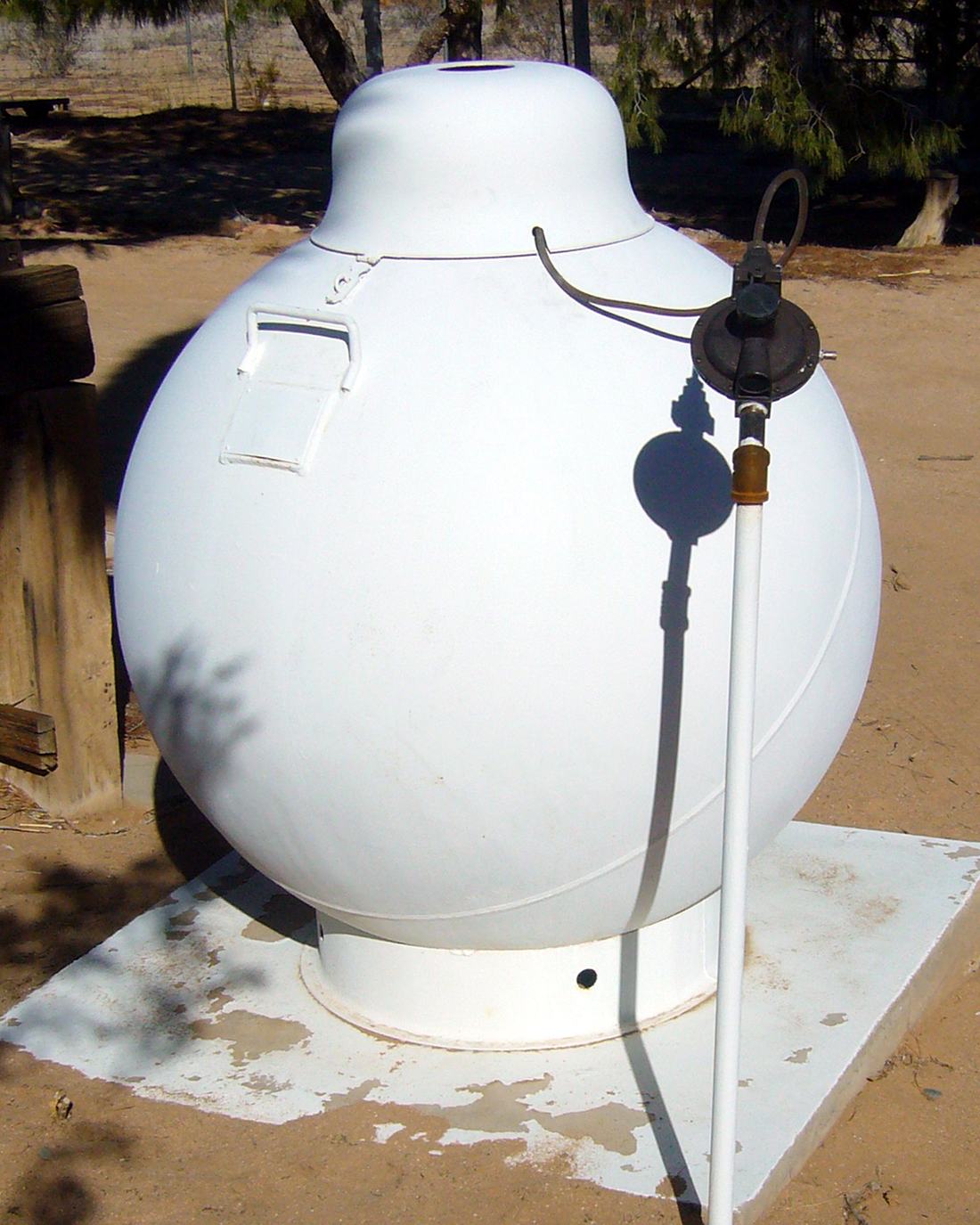
Heating assistance covers the main home heating fuels: electricity, natural gas, propane, fuel oil, kerosene, and wood or coal where those are used for home heating. If you heat with electricity, the benefit is credited to your electric account. If you heat with deliverable fuel such as propane or heating oil, the benefit is usually paid to your fuel vendor, who credits your account or delivers fuel up to the benefit value. Some states split the benefit across fuels for households that use more than one. Heating programs usually open in the fall — October or November in many states — and run through the winter and early spring, but exact dates are set by each state and some states stagger opening by priority group.
Cooling assistance
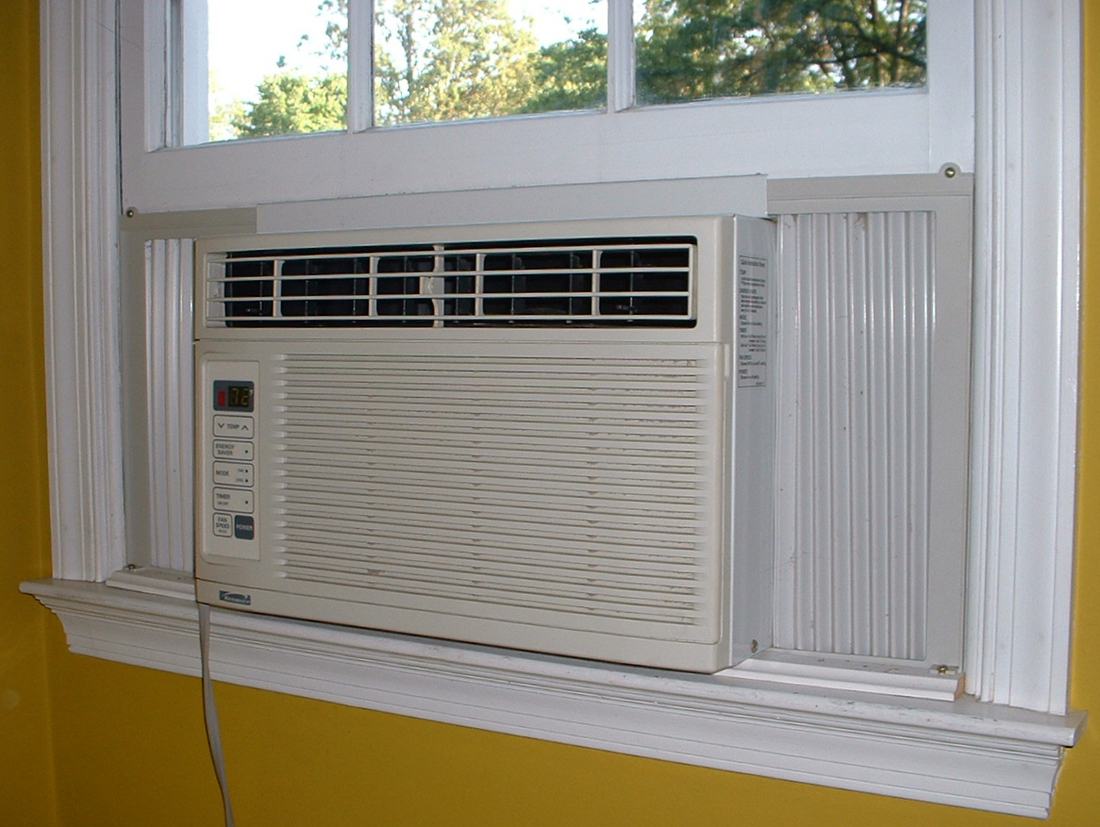
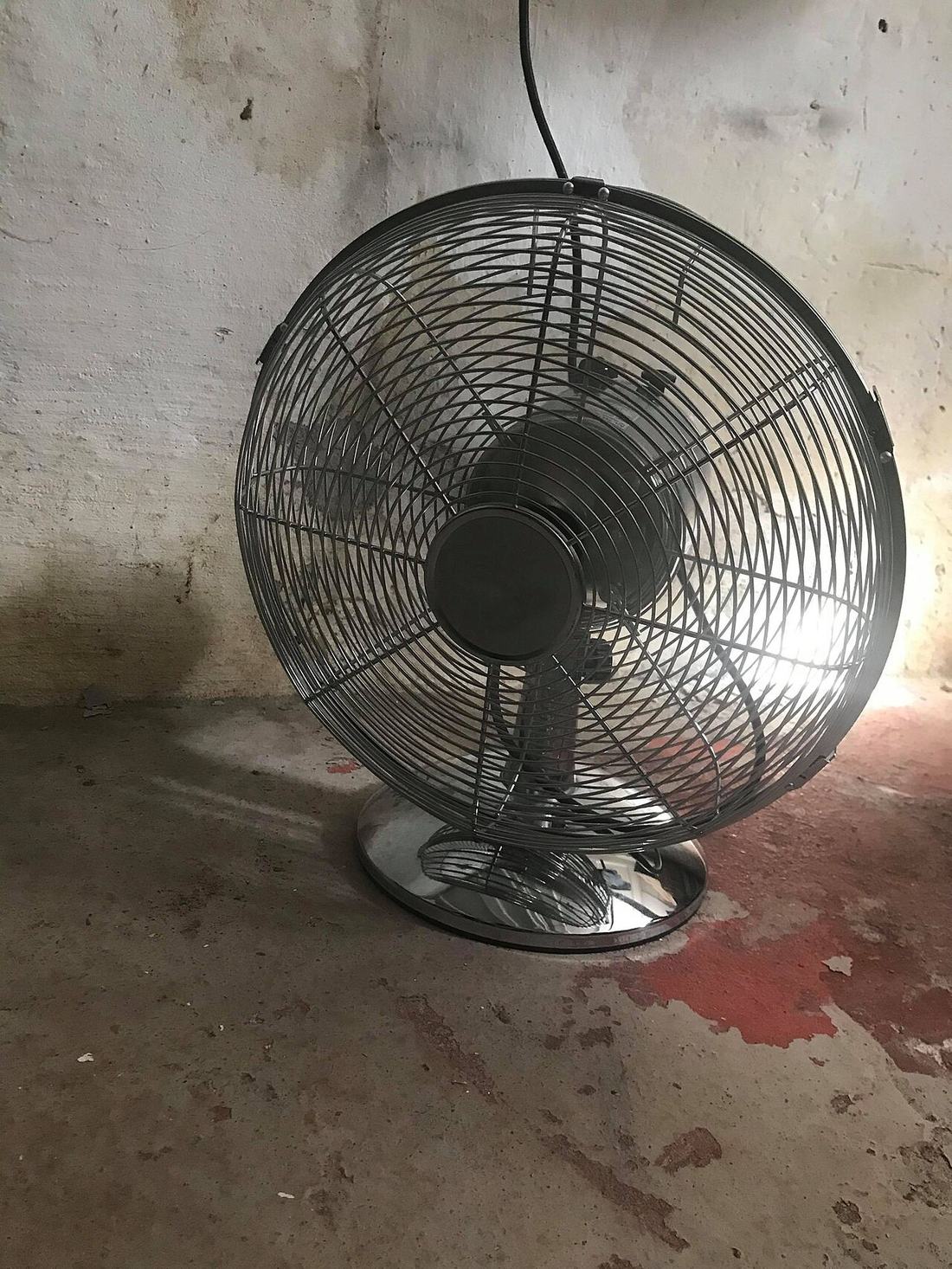
Cooling assistance is the summer counterpart, and it is far less uniform. States with long, dangerous summers — across the South and Southwest, for example — typically run a cooling component that credits electric bills during the hot months. States with mild summers may offer no cooling component at all, or only a small one. Where cooling help exists, it may also include a fan or, in some programs, a window air conditioner for households with a medical need or a vulnerable member, and repairs to a broken cooling system may be handled under crisis or repair funds instead. If you need summer help, check specifically whether your state has a cooling component and when it opens; do not assume the winter program covers summer bills.
How the payment reaches you
In almost all cases, you never handle the money. The agency pays your utility company or fuel vendor directly, and the credit appears on your bill. This protects the program against misuse, and it means you should keep paying whatever part of the bill is not covered — LIHEAP does not pause your billing or forgive arrears by itself. If you heat with deliverable fuel, order early in the season: a vendor paid by LIHEAP still needs time to schedule delivery, and fuel prices and availability change through the winter.
Renters, shared meters, and included heat
Renters qualify on the same terms as homeowners. If you pay the utility directly, the credit goes to your account. If heat is included in your rent, the agency uses its own method to value the energy portion — you may need a rent receipt, a lease, or a landlord statement showing that heat is included. If you share a meter with other households, tell the agency; it has rules for splitting the benefit fairly. A landlord cannot prevent you from applying, and applying does not give the landlord any claim on the benefit.
Sources: 42 U.S.C. 8624(b)(1); HHS Administration for Children and Families, LIHEAP program pages; LIHEAP Clearinghouse, Program Components and state program tables.