Denials, appeals, scams, and FAQ

If your application is denied
A denial notice should state the reason: income above the state's limit, incomplete documentation, a household definition dispute, or funds exhausted. Read the reason before anything else, because the next step depends on it. If the reason is missing documents, supply them and ask for reconsideration — many denials are documentation denials, not eligibility denials. If the reason is income, check the calculation: was all household income counted correctly, was the household size right, and was the correct program year used? If the reason is that funds ran out, ask about crisis funds, which are reserved separately, and about other local assistance through 2-1-1. Every state provides a way to challenge a decision — usually a reconsideration request to the local agency first, then an appeal to the state agency — and the notice should state the deadline. Deadlines are short, often measured in days, so act immediately and keep copies of everything you send.
Changes you must report
If your income, household size, address, or fuel supplier changes after you apply, tell the agency. A benefit paid to the wrong utility account or based on outdated household facts can be delayed or recovered, and an unreported move can void a benefit entirely. Reporting a change promptly protects both the current award and next year's application.
Scams: LIHEAP is always free
Frequently asked questions
Can I get LIHEAP if I rent?
Yes. Renters qualify on the same terms as homeowners, including renters whose heat is included in the rent. A landlord cannot block your application.
Does LIHEAP count as income for other benefits?
As a general rule, LIHEAP payments are not counted as income or resources when determining eligibility for other federal assistance programs. If another program's caseworker counts it, ask them to check the federal exclusion and show them your LIHEAP award notice.
Can I receive LIHEAP and SNAP, TANF, or SSI at the same time?
Yes. Receiving those benefits does not disqualify you from LIHEAP, and in states that use categorical eligibility it may simplify your LIHEAP application.
What if I heat with wood or coal?
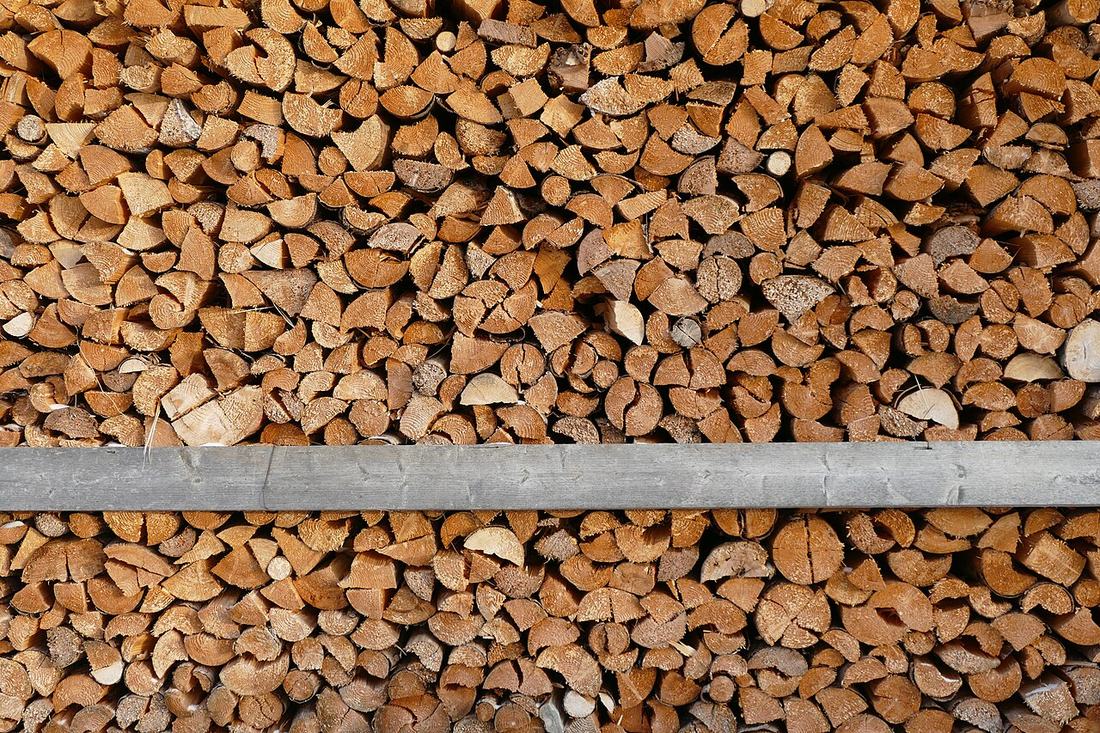
Wood and coal are covered home heating fuels under LIHEAP where they are used for home heating. Your agency will explain how the benefit is delivered for bulk fuels — usually through a vendor credit.
What if my state says funds are exhausted?
Ask three questions: is crisis assistance still available, is there a waiting list for the next program year, and what local fuel funds or utility hardship programs exist in your area? Dial 2-1-1 for local options the state office may not list.
Can I apply in more than one state?
No. Apply in the state where your primary residence is. Applying in two states for the same household and the same program year can lead to denial in both and to recovery of any benefit paid.
Do I have to repay LIHEAP?
No. LIHEAP is a grant, not a loan. You do not repay a benefit you received honestly, although a benefit paid in error because of misreported facts can be recovered.
Sources: HHS Administration for Children and Families, LIHEAP program pages and consumer guidance; LIHEAP Clearinghouse, state program tables; 42 U.S.C. chapter 94.