Weatherization and energy-related repairs
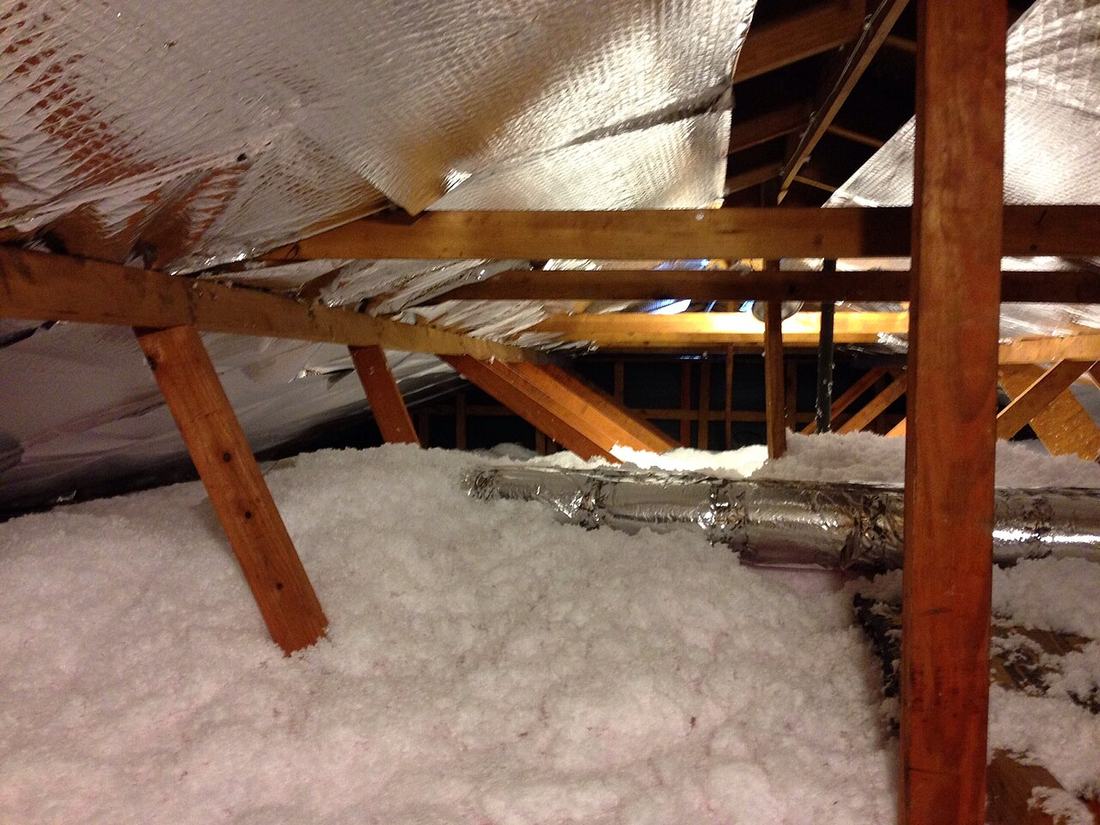
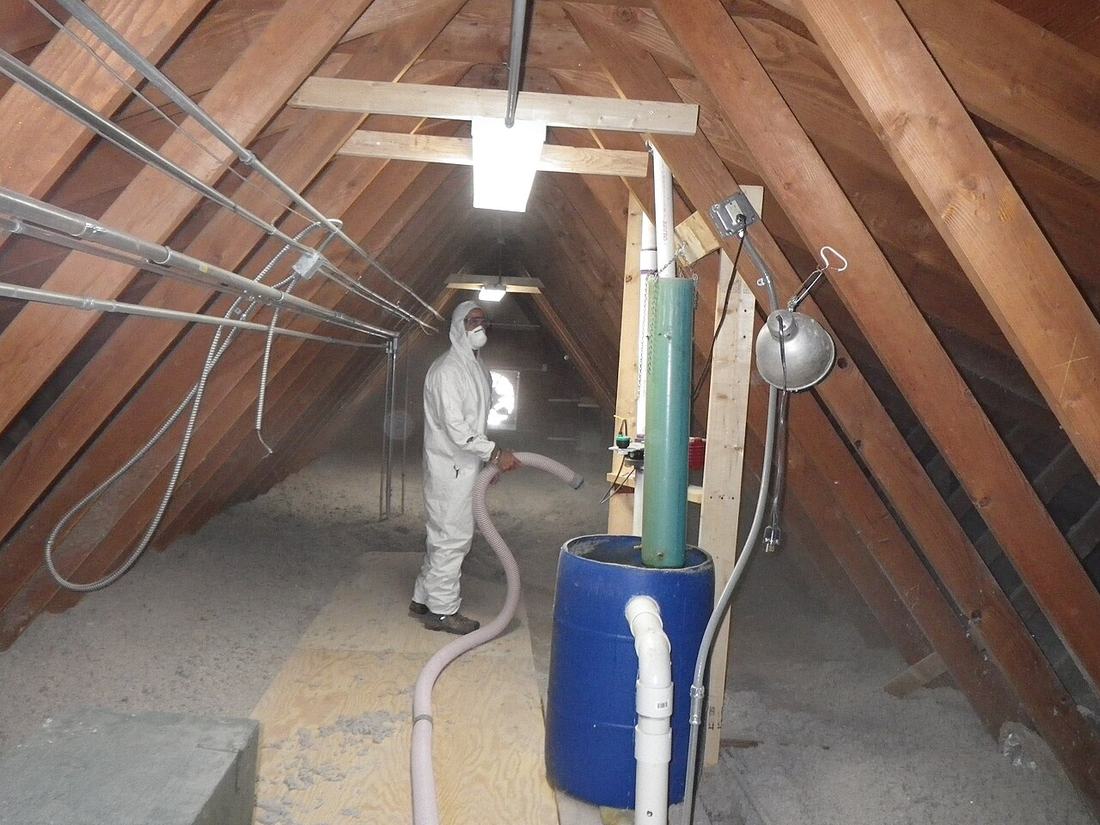
Weatherization is the part of LIHEAP that pays for itself over time. Instead of paying a bill, it reduces the bill: insulation in the attic, sealing around windows and doors, sealing ductwork, and repairing or replacing a failing heating or cooling system. A home that leaks heated air in January needs a larger heating benefit every year; a weatherized home needs less help, year after year. That is why Congress allowed LIHEAP funds to be used this way, even though the program's main purpose is immediate bill help.
What weatherization work typically includes
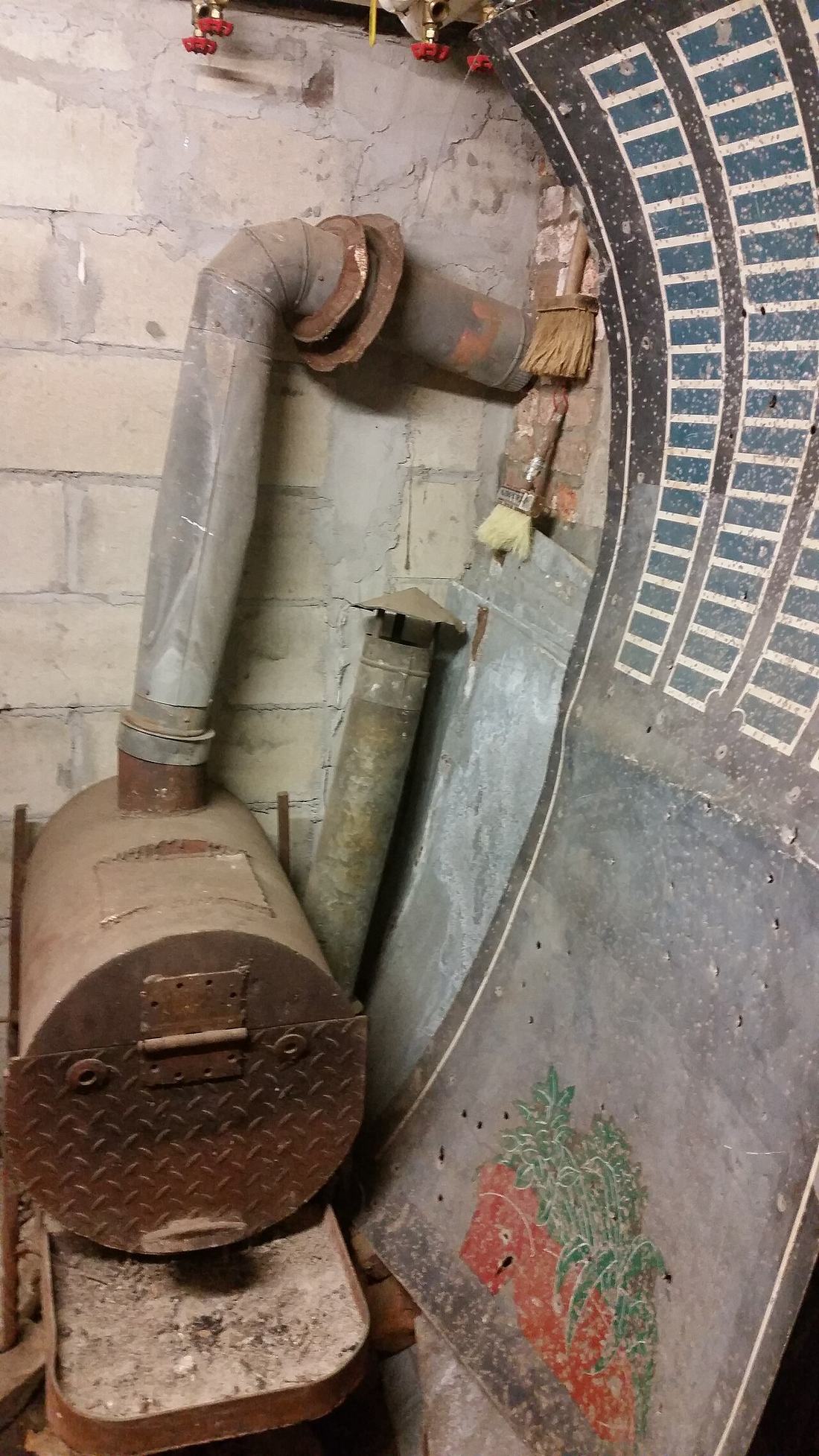
Low-cost residential weatherization usually means an energy audit first, then the measures the audit shows will save the most: attic and wall insulation, air sealing with caulk and weatherstripping, sealing and insulating ducts, and sometimes window or door work. Energy-related home repair covers items that make the home safe and the system workable: repairing a broken furnace, replacing a failed water heater, or fixing a dangerous electrical problem linked to heating. Major structural work is not covered, and the scope is deliberately modest — the goal is cost-effective savings, not renovation.
The funding cap: 15%, or 25% with a waiver
Federal law caps how much of a LIHEAP grant a state may spend on weatherization: up to 15 percent of its funding, or up to 25 percent if HHS approves a written waiver request. States are not required to spend anything on weatherization at all, and in practice most states allocate some amount while a small number allocate none. The cap is the reason weatherization through LIHEAP is limited and often wait-listed: it is a slice of a block grant whose main job is bill payment, not a separate entitlement.
LIHEAP weatherization versus the Energy Department's program
The U.S. Department of Energy runs a separate Weatherization Assistance Program with its own funding, its own rules, and its own income limit — generally at or below 200 percent of the federal poverty guidelines, which is higher than the LIHEAP ceiling. A household can receive weatherization through either source, and states often coordinate them so that one audit serves both. The practical differences to ask about: which program's money is paying for your job, whether the income limit and the rules for repeat work are the same, and whether your home has already been weatherized under either program, since repeat work may be limited. If LIHEAP weatherization has a long waiting list in your state, ask about the Energy Department program as well — a denial or a wait-list in one is not a denial in the other.
Renters and landlords
Rental homes can be weatherized, but landlords are usually involved: some programs require the owner's written permission, and some require the landlord to contribute to the cost or to agree to conditions such as not raising the rent because of the improvements. If you rent and want weatherization, talk to your landlord early and bring the agency's written explanation of what is required — landlords are far more likely to agree when the paperwork is clear and the benefit to the property is explained.
Expect a wait
Weatherization involves an audit, a contractor, and materials, so it takes far longer than a bill credit — weeks or months is normal, and waiting lists are common. Apply for bill help and weatherization at the same time rather than waiting for one to finish before starting the other.
Sources: 42 U.S.C. 8624(k) (weatherization cap and waiver); LIHEAP Clearinghouse, Program Components; U.S. Department of Energy, Weatherization Assistance Program.